


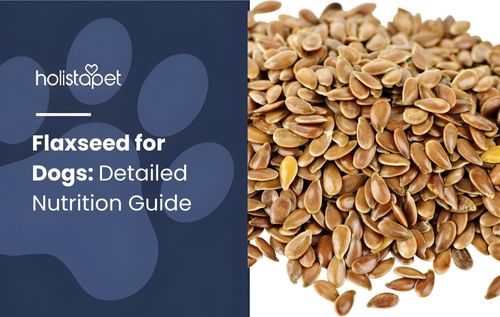
Flaxseed for dogs can be a simple way to add extra nutrition to your pup's daily meals. This tiny seed offers valuable nutrients that may help support digestion, skin, coat, and overall wellness when served the right way. With a few helpful tips, you can learn which form to choose, how to feed it properly, and what to know before making it part of your dog's routine.
Key Highlights
- Ground flaxseed supplies fiber, fatty acids, and lignans, while flaxseed oil provides concentrated ALA without the fiber.
- Proper serving size and gradual introduction help reduce digestive upset and excess calorie intake.
- Whole flaxseed offers fewer usable nutrients than freshly ground flaxseed or dog-formulated products.
- Ask your veterinarian before adding flaxseed if your dog has a medical condition, takes medication, or follows a special diet.
Is Flaxseed Good and Safe for Dogs?

Yes, flaxseed is generally well-tolerated by many dogs when prepared correctly and served in appropriate amounts. Many quality dog foods already include it for its nutritional value.
Extra flaxseed should complement a balanced diet, not replace essential nutrients or veterinary care. Consider your pet's diet before adding flaxseed, especially if your dog takes medication or has an ongoing health condition.
What Nutrients Does Flaxseed Provide for Dogs?
Think of flaxseeds as tiny nutrition packages. Ground flaxseed contains dietary fiber, protein, fat, lignans, and alpha-linolenic acid (ALA), a plant-based member of the omega fatty acids family.
Flaxseed oil delivers more ALA and calories but almost no fiber. Processing methods affect the final nutrient content, making each form slightly different.
What Are the Potential Benefits of Flaxseed for Dogs?
Flaxseed delivers its potential health benefits through dietary fiber, fatty acids, and naturally occurring plant compounds. Together, these nutrients provide valuable nourishment for everyday wellness when served appropriately with meals.
Supports Healthy Skin and Coat
Alpha-linolenic acid is the main omega-three fatty acid in flaxseed. It may support skin health by helping maintain the skin's natural barrier and moisture balance.
Omega-three fatty acids contribute to improved skin health and coat quality in dogs, encouraging a softer, shinier coat. Even so, flaxseed will not resolve every skin concern. Ongoing itching, hair loss, redness, sores, or unusual odor deserve a veterinary evaluation.
Adds Fiber for Digestive Health
Ground flaxseed contains soluble and insoluble fiber, both important for maintaining gastrointestinal health. Together, they add bulk to stool, encourage regular bowel movements, and support your dog's digestive health.
Introduce it gradually, especially if your pup has a sensitive stomach. Too much fiber may cause gas, bloating, or loose stools. Persistent digestive concerns should be discussed with your veterinarian before making flaxseed a regular part of your dog's meals.
Provides Plant-Based Omega-3 Fatty Acids
Flaxseed naturally supplies ALA, a plant-based omega-3 fatty acid that contributes to healthy cell membranes, cardiovascular function, joint mobility, and many normal body functions.
While beneficial, dogs convert only small amounts of ALA into EPA and DHA, the long-chain omega-3s found in fish oil. Because of this, flaxseed adds essential fatty acids to the diet but should not replace marine-based omega-3 sources.
Supplies Lignans and Other Plant Nutrients
Ground flaxseed offers lignans, naturally occurring plant compounds with antioxidant activity that promote cellular health. Antioxidants help protect cells from damage caused by oxidative stress while supporting normal cellular defenses and the immune system.
Flaxseed also supplies small amounts of nutrients, but it is not a complete source of essential vitamins or minerals. Learn more about vitamin A for dogs and ashwagandha for dogs for additional wellness guidance.
What Types of Flaxseed Can Dogs Have?

Not every form of flaxseed offers the same nutritional value. The best choice depends on your dog's diet, wellness goals, and feeding routine. Some pet parents also include a dog multivitamin and probiotics for dog gut health. However, check with your veterinarian before combining products to avoid unnecessary or excessive nutrient intake.
|
Flaxseed Product Type |
What It Is |
Key Nutritional Value |
Best Use for Dogs |
|
Whole Flaxseed |
Raw seeds from the flax plant |
Fiber, fat, and lignans |
Requires soaking and grinding before feeding since whole seeds often pass through digestion without full nutrient absorption |
|
Ground Flaxseed |
Milled flaxseed powder |
Fiber, ALA, protein, and lignans |
Easy to mix into meals and commonly used as a daily supplement for healthy digestion and skin and coat support |
|
Flaxseed Oil |
Oil extracted from flaxseeds |
Concentrated ALA and calories |
Works well as a meal topper for skin, coat, and inflammatory support |
|
Flaxseed Supplements |
Formulated products such as chews or capsules |
Nutrients vary by formula |
Helpful for convenient dosing and specialized wellness support |
Ground Flaxseed vs. Flaxseed Oil for Dogs: What's the Difference?
The biggest difference is what each form provides. Ground flaxseed delivers fiber, lignans, protein, and ALA. Flaxseed oil, also called flax oil or flax seed oil, packs more concentrated ALA but no fiber.
Because the oil is calorie-dense, careful measuring is important. If your pup turns up their nose at food changes, dog-specific chews or capsules can make daily servings much easier.
Flaxseed vs. Fish Oil: Which Is Better for Dogs?
It depends on what your dog needs. Flaxseed supplies plant-based ALA along with fiber and lignans. Fish oil, on the other hand, provides EPA and DHA in forms a dog's body uses more efficiently.
The right choice depends on your dog's diet, allergies, calorie intake, wellness goals, and your veterinarian's guidance. In some cases, both can be included together as part of a carefully planned feeding routine.
Can Dogs Eat Whole or Raw Flaxseed?
Yes, but ground flaxseed is usually the better choice. Whole flaxseed has a tough outer shell that can pass through the digestive tract without releasing many nutrients.
Skip unripe seeds, spoiled flaxseed, flax plant parts, and oversized servings. Instead, choose fresh, food-grade ground flaxseed or a dog-formulated product with clear feeding directions to help provide consistent nutrition with every serving.
How to Add Flaxseed to Your Dog’s Diet

Adding flaxseed can be simple with the right approach. Choose the form that works best with your dog's meals, taste preferences, and routine. You can even use a healthy foods checklist to keep additions balanced and consistent.
Mix Ground Flaxseed into Food
Sprinkle a measured amount of ground flaxseed over kibble or stir it into wet food for easy mixing. It also blends well with homemade meals that are properly formulated for balanced nutrition.
Resist the urge to eyeball each serving. Measuring carefully helps avoid adding too much fiber or extra calories while keeping portions consistent from one meal to the next.
Use Flaxseed Oil as a Meal Topper
Flaxseed oil is an easy way to add plant-based ALA without increasing fiber. Simply mix a measured amount into your dog's regular meal, and the mild flavor may even win over picky eaters.
Since flax oil is rich in fat and calories, always follow the serving directions on the label or the amount your veterinarian recommends to keep portions balanced.
Give a Flaxseed-Based Dog Supplement
If measuring powders or oils feels like a chore, a dog-specific flaxseed supplement can simplify daily feeding. Chews and capsules also work well for picky eaters that avoid new flavors or textures.
Before buying, review the flaxseed form, serving amount, ingredient list, calorie content, and weight-based directions. Always choose a product made specifically for dogs instead of a human supplement.
How Much Flaxseed Can I Give My Dog?

Start with a small amount instead of filling the bowl. Flaxseed works best when portions match your dog's body weight and increase gradually. General veterinary nutrition guidance recommends:
- Small dogs under 15 pounds: About 1/4 teaspoon daily mixed into food.
- Medium dogs 15 to 40 pounds: Around 1/2 teaspoon daily.
- Medium-large dogs 40 to 60 pounds: About 1 teaspoon daily.
- Large dogs 60 to 100 pounds: About 1 teaspoon to 1 tablespoon daily, depending on tolerance.
- General guideline: Up to 1/2 teaspoon of ground flaxseed per 10 pounds of body weight daily.
- Maximum intake: Avoid exceeding about 2 tablespoons daily unless your veterinarian recommends otherwise.
Introduce flaxseed slowly and monitor digestion during the first week. A gradual approach helps reduce gas, loose stools, and stomach discomfort while giving your dog's body time to adjust before increasing the serving if everything is going smoothly.
How to Introduce Flaxseed Gradually
Take it one step at a time. Begin with the smallest serving recommended on the product label or by your veterinarian, then mix it into your dog's usual meal. Watch for changes in appetite, behavior, and stool quality over several days.
Increase the amount only if it is well tolerated. If gas, diarrhea, vomiting, or stomach discomfort develops, reduce or stop feeding flaxseed and avoid increasing the serving too quickly.
What Happens If a Dog Has Too Much Flaxseed?
More is not always better. Feeding too much flaxseed, or introducing it too quickly, can upset your dog's digestive system and throw a balanced diet off track. Common signs include:
- Diarrhea: Extra fiber may loosen stools and increase bowel movements.
- Gas and bloating: Excess fiber can ferment in the gut, leading to abdominal discomfort.
- Vomiting: Large servings may irritate sensitive stomachs.
- Reduced nutrient absorption: Too much fiber can limit absorption of certain nutrients from food.
- Weight gain: Flaxseed contains fats and calories that can add up with oversized portions.
- Allergic reactions: Although uncommon, some dogs may develop itching, swelling, or digestive irritation.
Veterinary references, including the Merck Veterinary Manual, note that sudden increases in dietary fiber can trigger digestive upset. Introducing flaxseed gradually, measuring each serving carefully, and watching your dog's response can help avoid unnecessary tummy troubles.
When Should You Ask a Veterinarian First?
It's best to check with your veterinarian before adding flaxseed if it could affect an existing health condition or treatment plan. A quick conversation can help you choose the safest approach, especially if your dog:
- Takes prescription medication
- Has pancreatitis or follows a low-fat diet
- Has diabetes, a bleeding disorder, or chronic kidney disease
- Has inflammatory bowel disease or recurring digestive problems
- Is scheduled for surgery
- Is pregnant, nursing, or still a young puppy
Persistent skin problems, constipation, joint pain, or other ongoing symptoms also deserve a proper diagnosis instead of relying on dietary changes alone.
How to Choose and Store a Flaxseed Product

A little label reading goes a long way. Choose food-grade flaxseed or a dog-formulated product that clearly lists the flaxseed form, amount per serving, ingredients, calorie content, feeding directions, and expiration date.
Skip anything containing xylitol or other ingredients unsafe for dogs. To preserve freshness, keep the container tightly sealed and follow any refrigeration instructions. If ground flaxseed or oil develops a bitter, sharp, or rancid smell, it's time to replace it.
Frequently Asked Questions About Flaxseed for Dogs
Can Dogs Have Flaxseed Every Day?
Yes, many dogs can enjoy flaxseed as part of their daily routine when it fits a balanced diet and is fed according to the product label or your veterinarian's guidance. Before adding extra, check whether your dog's food already contains flaxseed. If ongoing digestive problems or another suspected adverse reaction develops, stop feeding it and contact your veterinarian.
Can Flaxseed Help a Dog with Constipation?
Yes, ground flaxseed may help mild constipation by adding fiber that supports stool bulk and regularity. Flaxseed oil lacks this fiber benefit. Because constipation has many causes, contact your veterinarian if it continues or includes repeated straining, obvious discomfort, vomiting, lethargy, blood, or an inability to pass stool at all.
How Long Does Flaxseed Take to Work for Dogs?
There isn't a set schedule. Some dogs show digestive changes sooner, while skin and coat improvements often take longer. Results vary with serving size, product, complete diet, and underlying conditions. Resist increasing the amount too quickly. If progress stalls, ask your veterinarian for guidance instead of guessing or overfeeding flaxseed.
Final Thoughts on Flaxseed for Dogs
Flaxseed can provide many health benefits when added thoughtfully to a balanced diet. Its fiber, ALA, and natural plant nutrients may support digestion, healthy skin, coat health, and your dog's immune system as part of a balanced diet. Start slowly, measure each serving carefully, and consult your veterinarian whenever medications or health conditions are involved.








Leave a comment
All comments are moderated before being published.
This site is protected by hCaptcha and the hCaptcha Privacy Policy and Terms of Service apply.